Era guides
Era guides — nine eras, one essay each
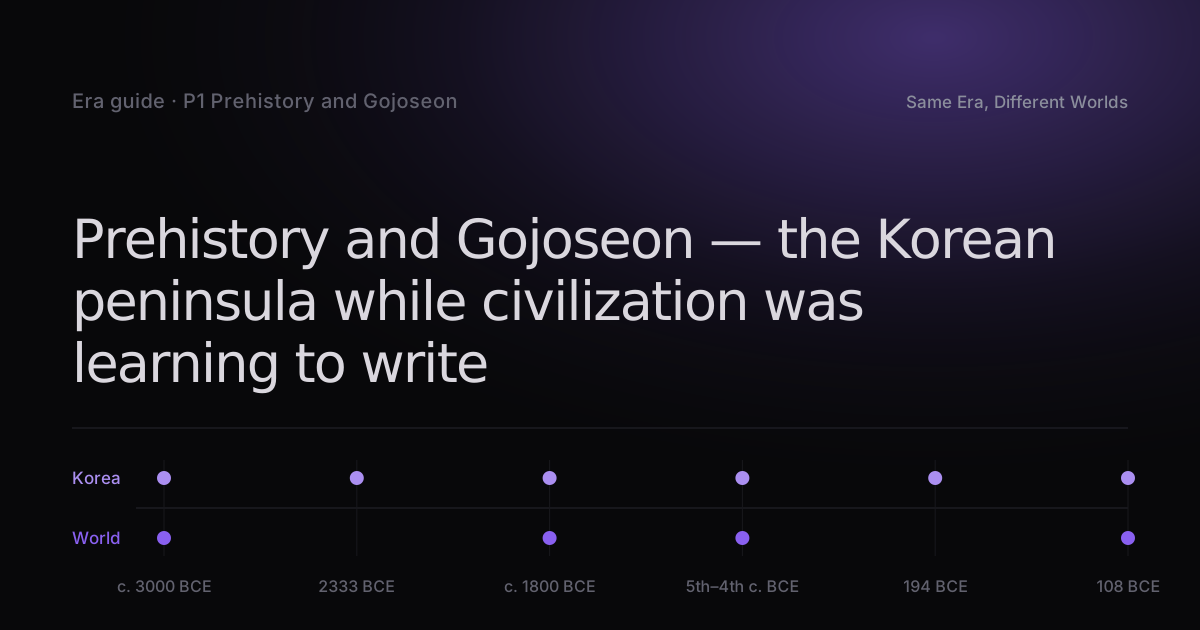 Era guide · P1 Prehistory and Gojoseon
Prehistory and Gojoseon — the Korean peninsula while civilization was learning to write
The first lesson in comparing this era is not the order of events but that the two timelines rest on different kinds of evidence.
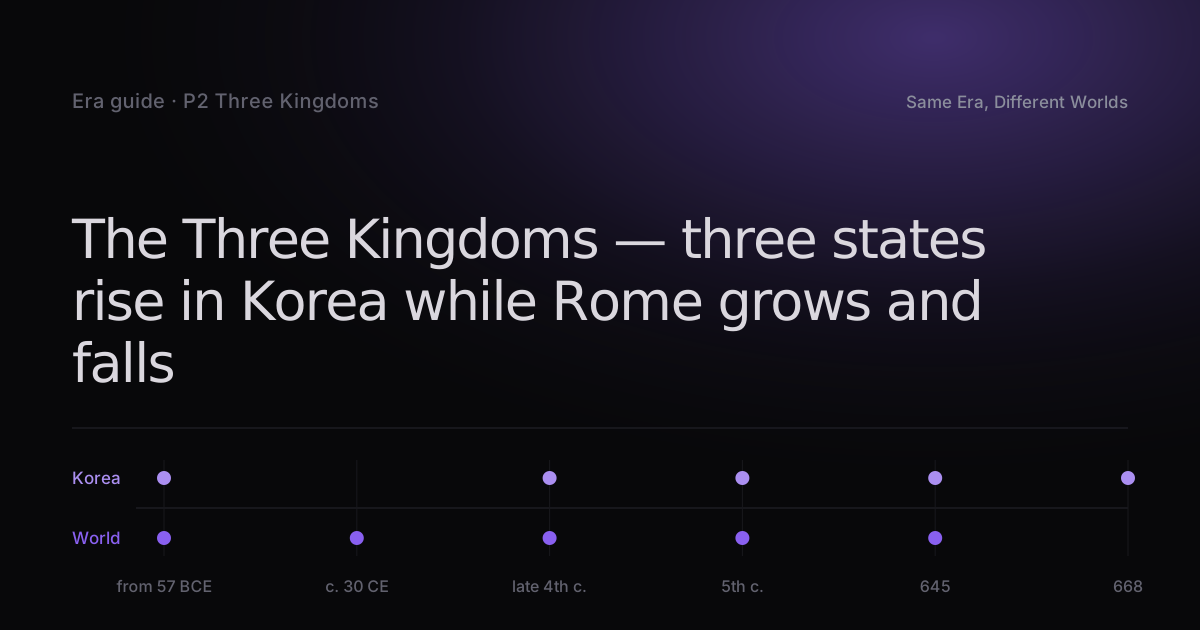 Era guide · P2 Three Kingdoms
The Three Kingdoms — three states rise in Korea while Rome grows and falls
The two columns share a surprisingly similar rhythm here: empires expand, split apart, and religion moves into the gap.
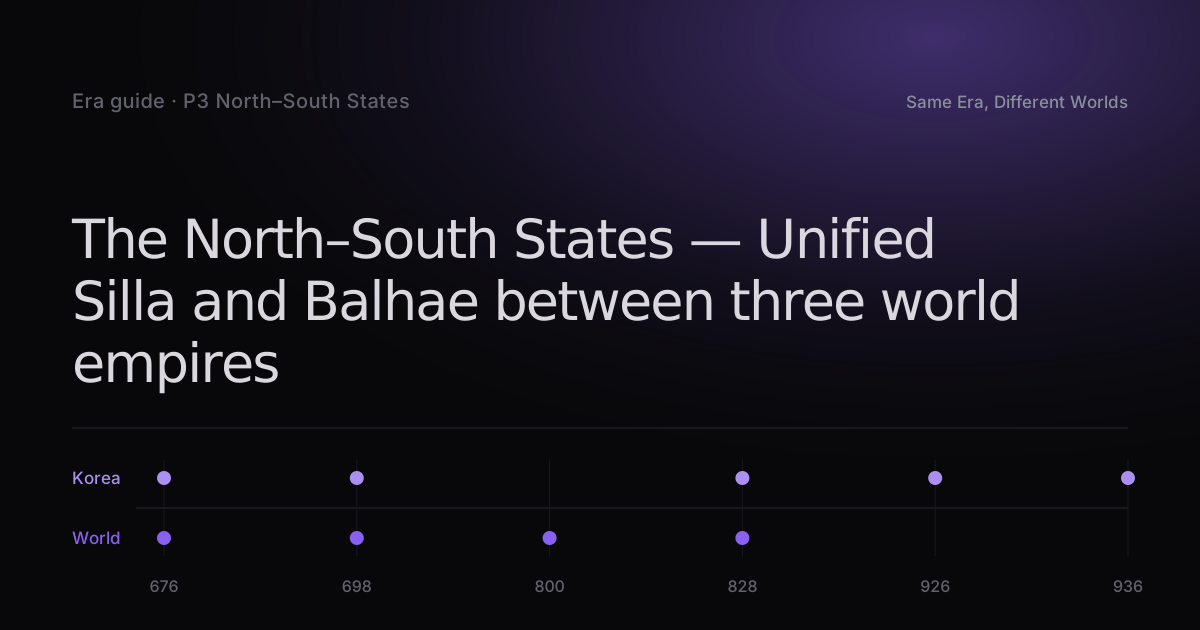 Era guide · P3 North–South States
The North–South States — Unified Silla and Balhae between three world empires
If one era in Korean history deserves to be called international, it is this one — though textbooks rarely make that visible.
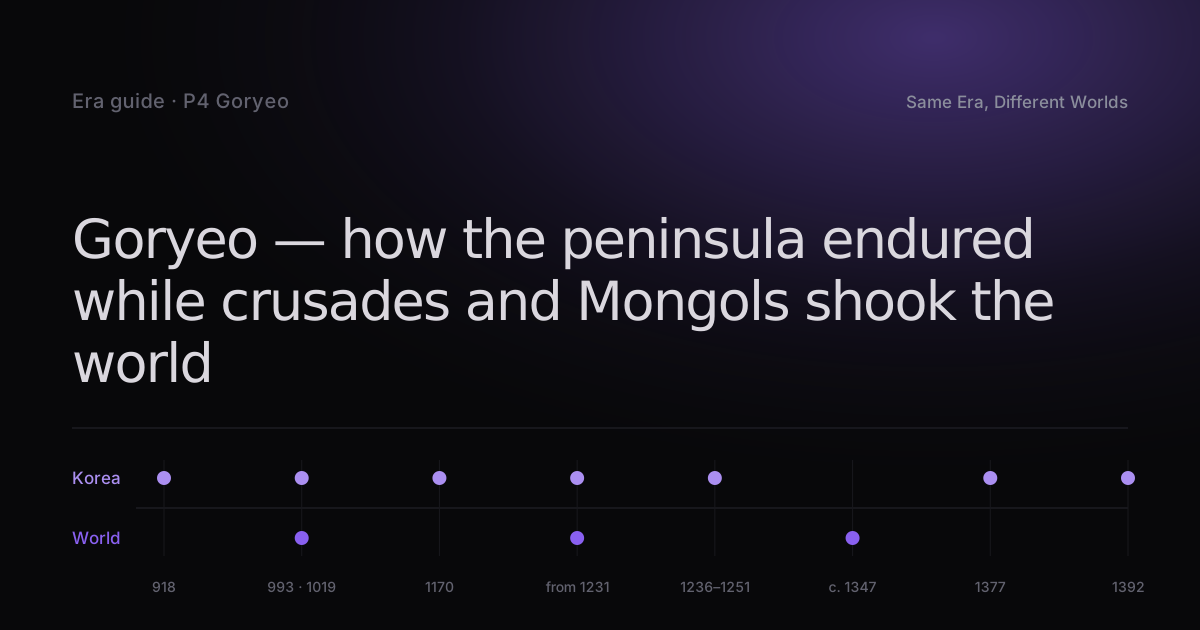 Era guide · P4 Goryeo
Goryeo — how the peninsula endured while crusades and Mongols shook the world
Goryeo can look like one invasion after another — but behind those invasions stood a single force that was rearranging all of Eurasia.
 Era guide · P5 Early Joseon
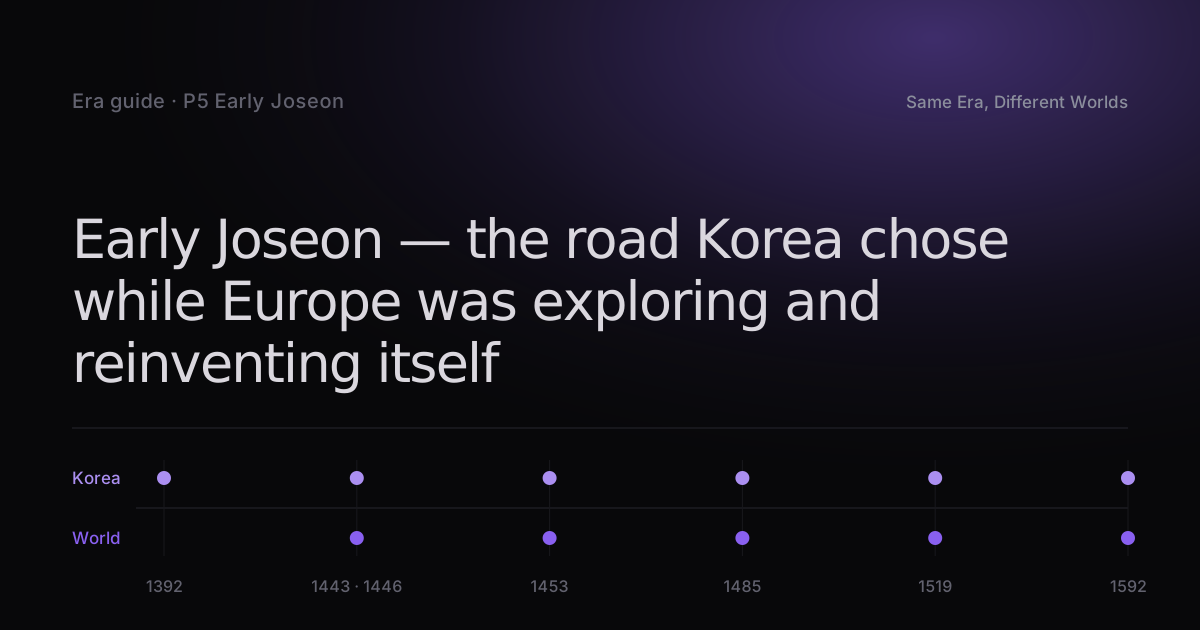
Early Joseon — the road Korea chose while Europe was exploring and reinventing itself
Over the same two centuries one side sailed outward and the other put its own house in order. The interesting question is not which was right, but why they diverged.
 Era guide · P6 Late Joseon
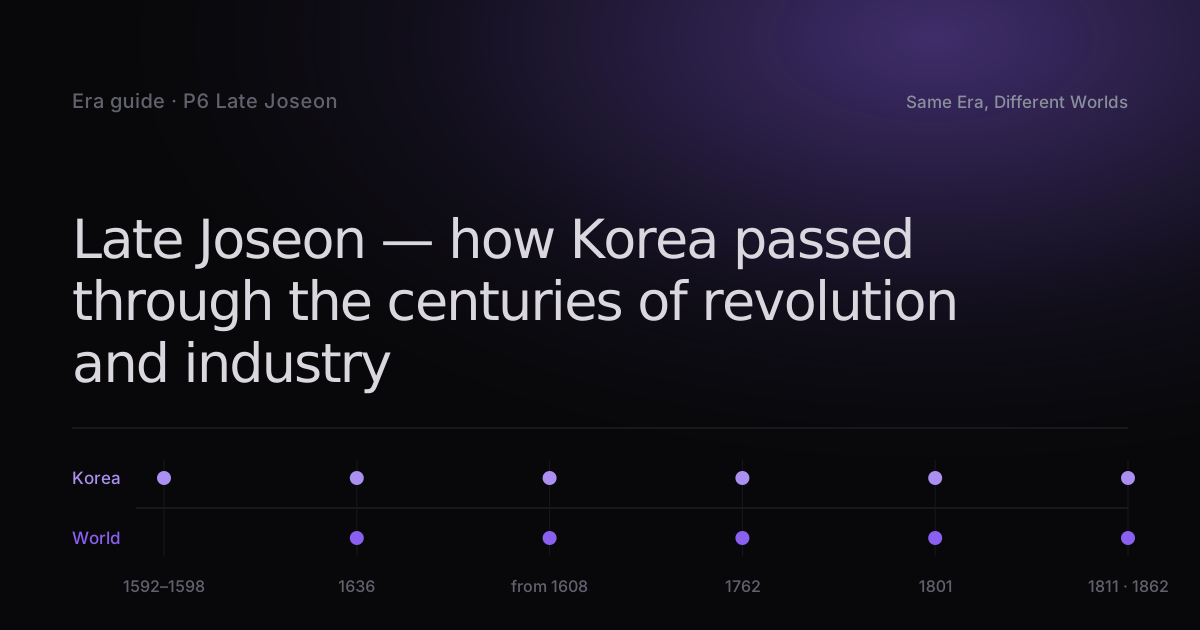
Late Joseon — how Korea passed through the centuries of revolution and industry
Taught as an age of stagnation, late Joseon makes the world column feel unusually fast. But was Korea really the only slow one?
 Era guide · P7 Port opening and modernization
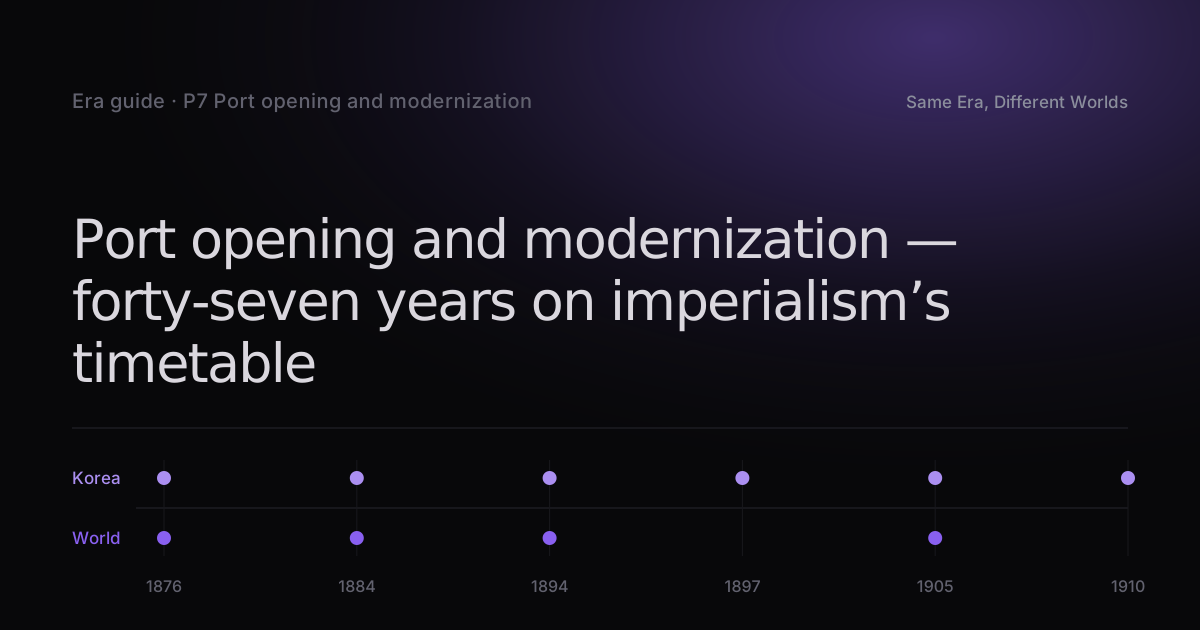
Port opening and modernization — forty-seven years on imperialism’s timetable
The key to this era lies less inside Korea than in how the timetables of four surrounding powers overlapped.
 Era guide · P8 Japanese colonial period
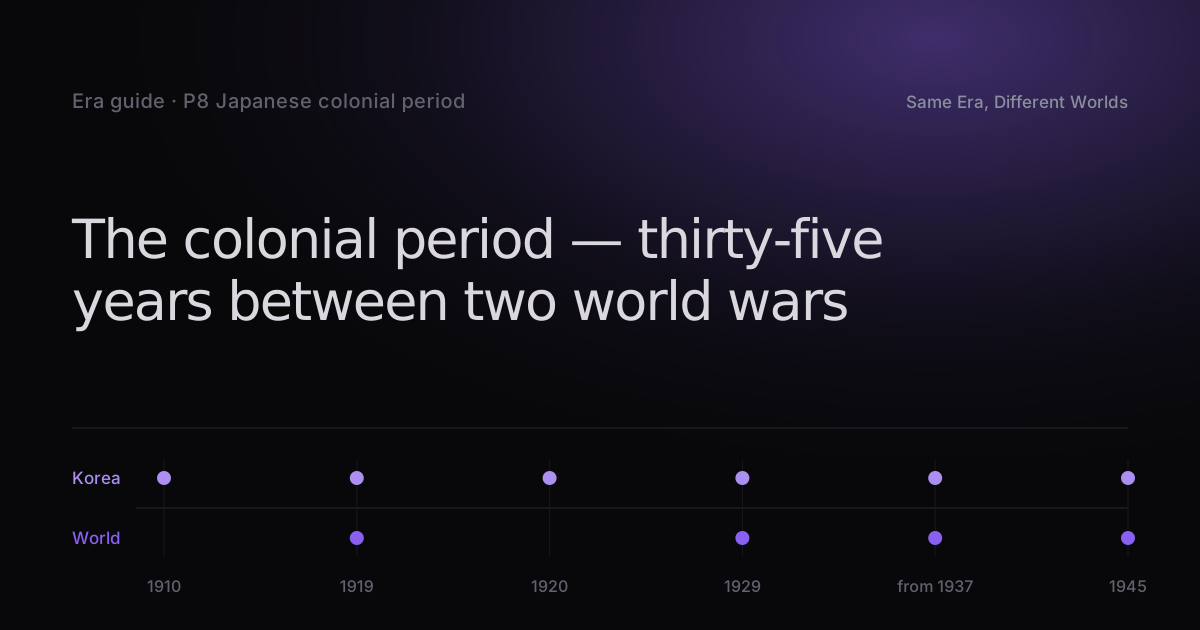
The colonial period — thirty-five years between two world wars
The years of the independence movement and the years of the world wars coincide exactly — and that overlap shaped both the movement’s methods and its limits.
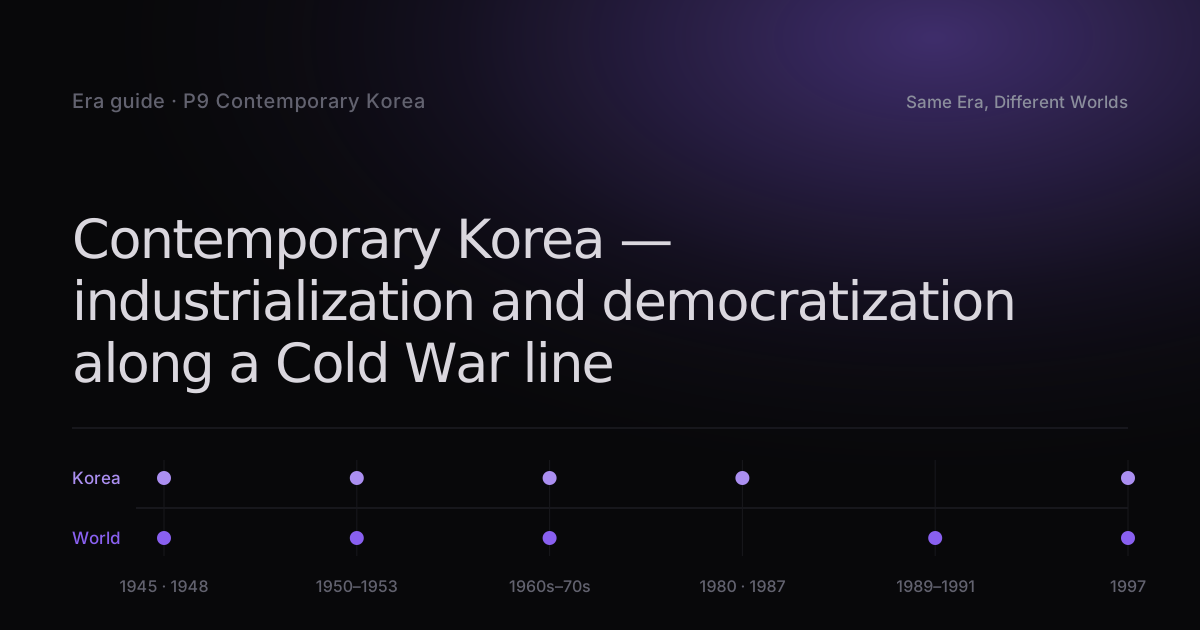 Era guide · P9 Contemporary Korea
Contemporary Korea — industrialization and democratization along a Cold War line
Modern Korea is both a product of world history and an exception to it: it carries a Cold War division still, yet democratized before the Cold War ended.