Articles
Reading one era in two places
 North–South States · The eighth-century Eurasia
While Balhae found its footing, the other end of Eurasia was building a new order too
From Balhae’s founding in 698 to its fall in 926, the same span saw the Abbasid revolution, the battle of Talas, the building of Baghdad and Charlemagne’s coronation. Eurasia’s eighth century, read on one line.
 Port opening · Same gunboats, different choices
Korea and Japan faced the same gunboats — why did only one rebuild its state in eight years?
Perry’s ships in 1853 and the French and American expeditions of 1866 and 1871 were the same kind of pressure. Japan answered with the Meiji Restoration in 1868, Korea with the Treaty of Ganghwa in 1876. Where did those eight years come from?
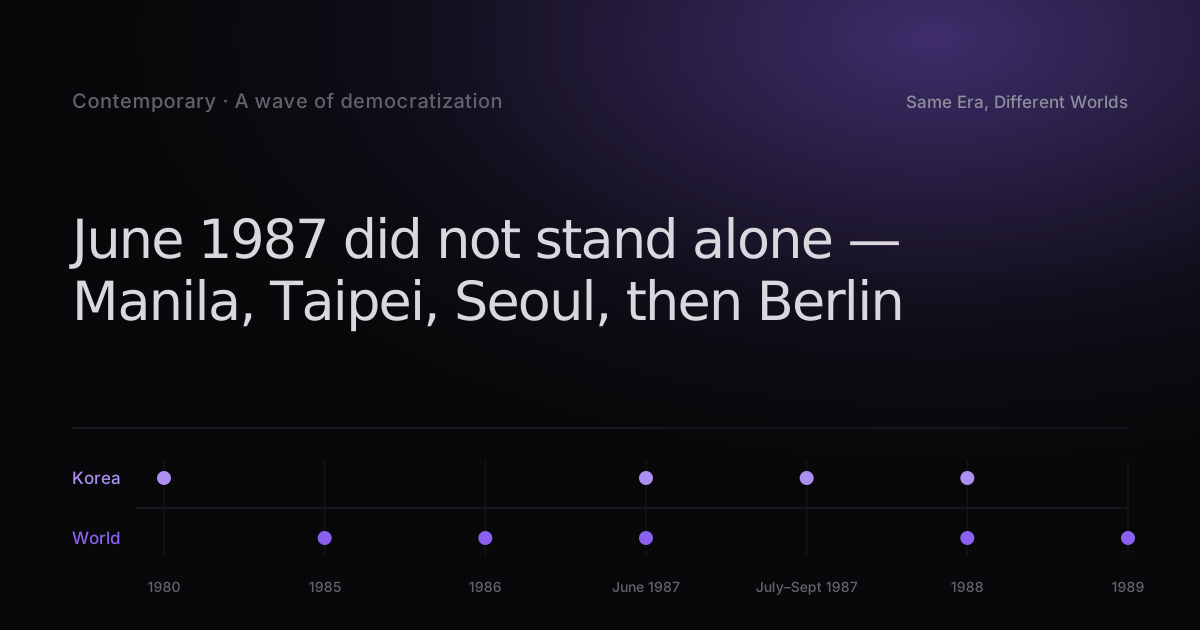 Contemporary · A wave of democratization
June 1987 did not stand alone — Manila, Taipei, Seoul, then Berlin
Placing the June Struggle of 1987 on the same wave as the Philippines in 1986, Taiwan in 1987 and Eastern Europe in 1989 — and sorting what was shared from what was particular to Korea.
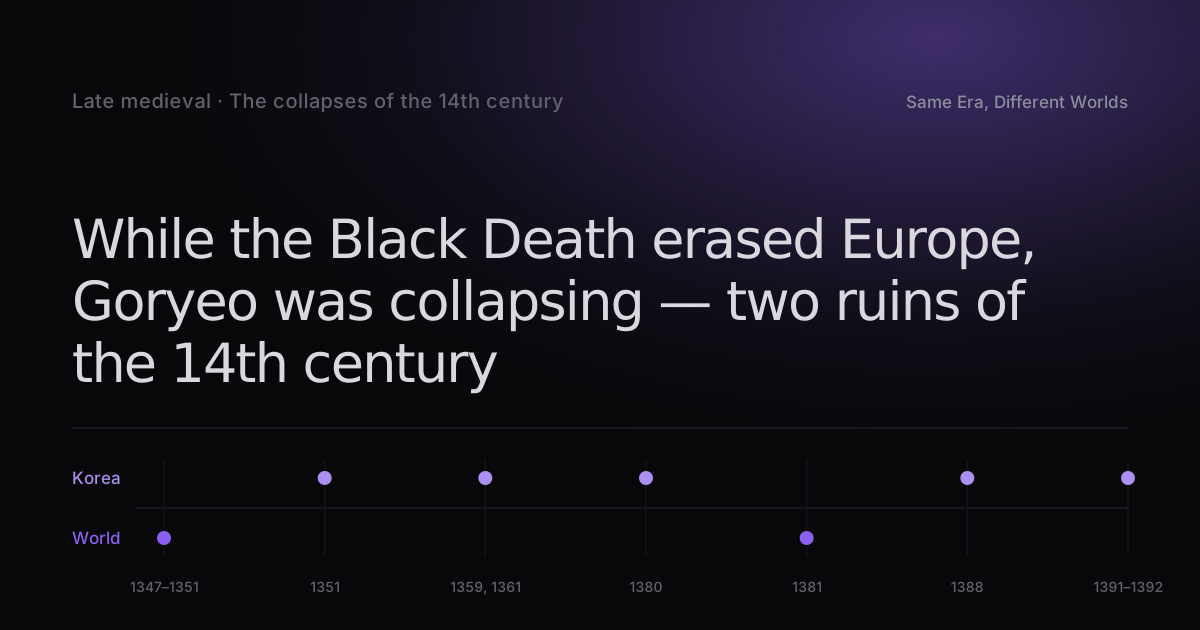 Late medieval · The collapses of the 14th century
While the Black Death erased Europe, Goryeo was collapsing — two ruins of the 14th century
The Black Death of the 1340s set beside the wako raids, Red Turban invasions and Yuan decline that ended Goryeo — what each collapse produced, and why the two were not unrelated.
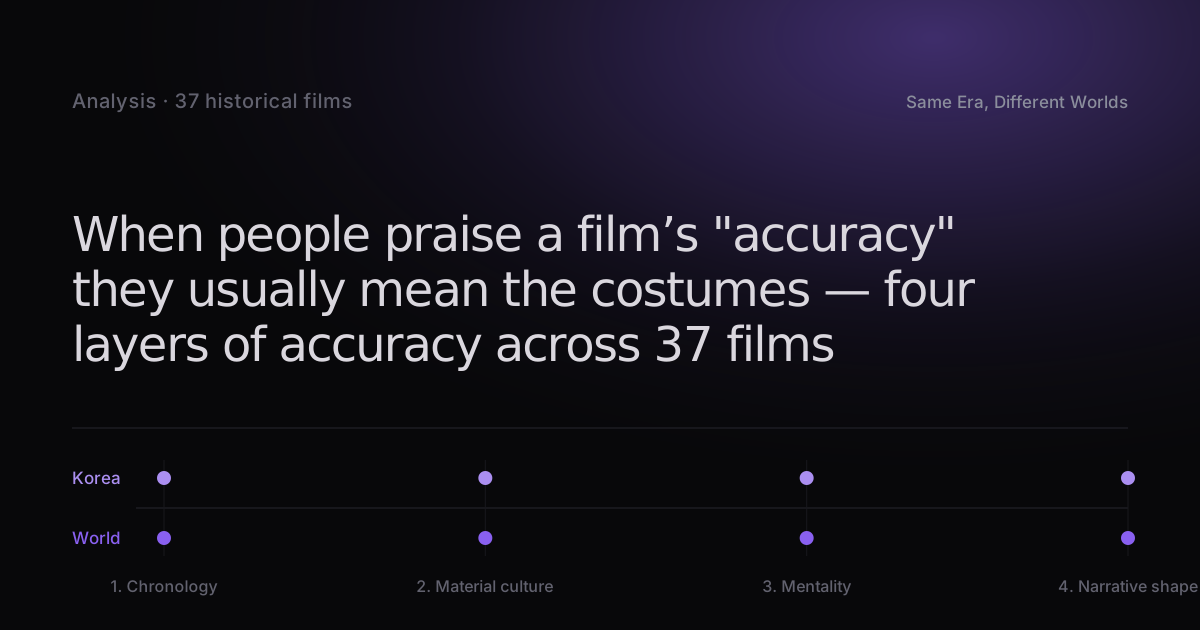 Analysis · 37 historical films
When people praise a film’s "accuracy" they usually mean the costumes — four layers of accuracy across 37 films
The 37 films in this site’s film timeline sorted into four layers of historical accuracy — chronology, material culture, mentality and narrative — and what audiences are actually looking at when they praise it.
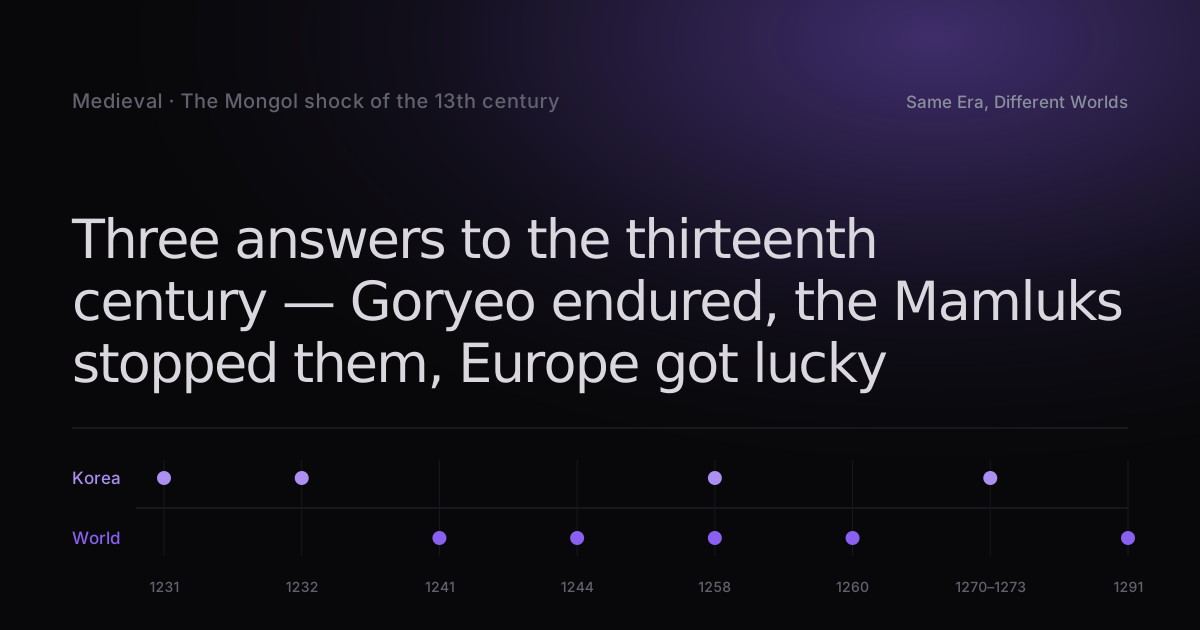 Medieval · The Mongol shock of the 13th century
Three answers to the thirteenth century — Goryeo endured, the Mamluks stopped them, Europe got lucky
Mongol expansion binds Goryeo’s resistance from Ganghwado and the collapse of the crusader states into a single cause — and three regions answered it in three different ways.
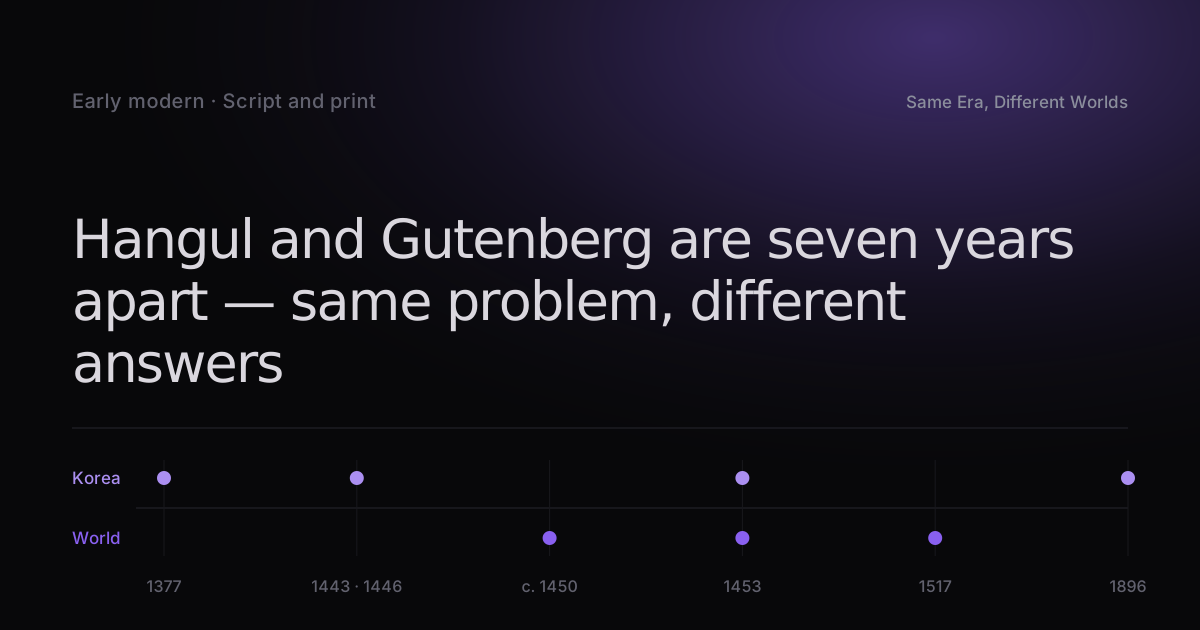 Early modern · Script and print
Hangul and Gutenberg are seven years apart — same problem, different answers
Hangul in 1443 and Gutenberg’s press around 1450: two inventions that lowered the threshold to knowledge, and why their social consequences diverged.
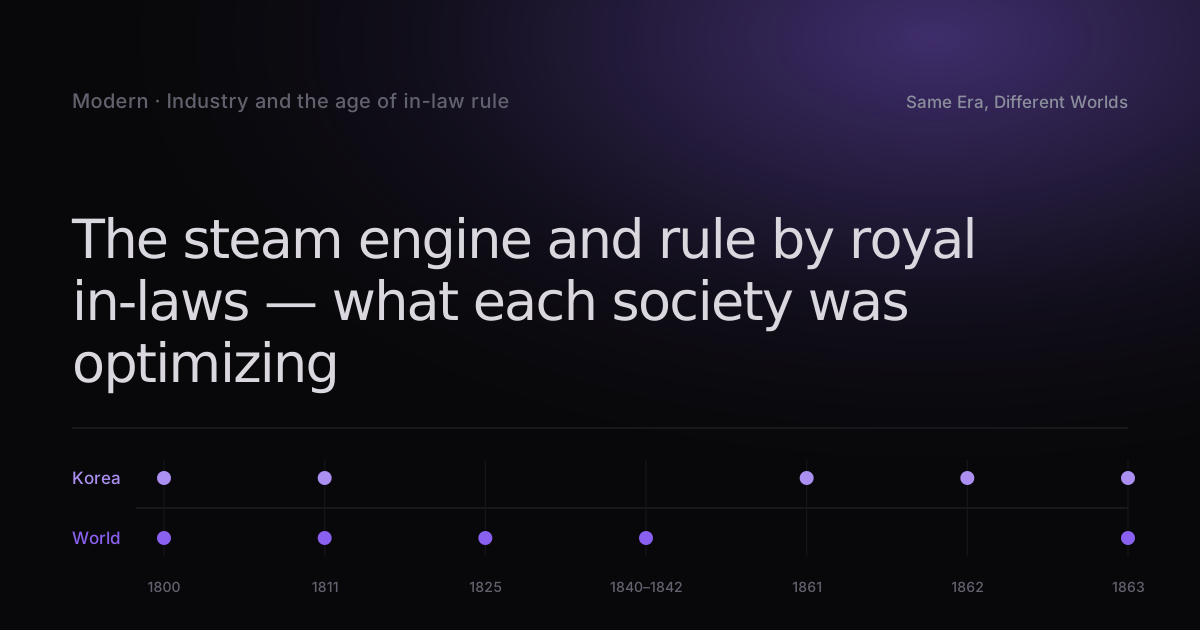 Modern · Industry and the age of in-law rule
The steam engine and rule by royal in-laws — what each society was optimizing
While Britain rebuilt production around the steam engine between 1800 and 1863, Joseon was under the rule of royal in-law families. Rather than repeating the story of stagnation, this asks what each society was actually good at.
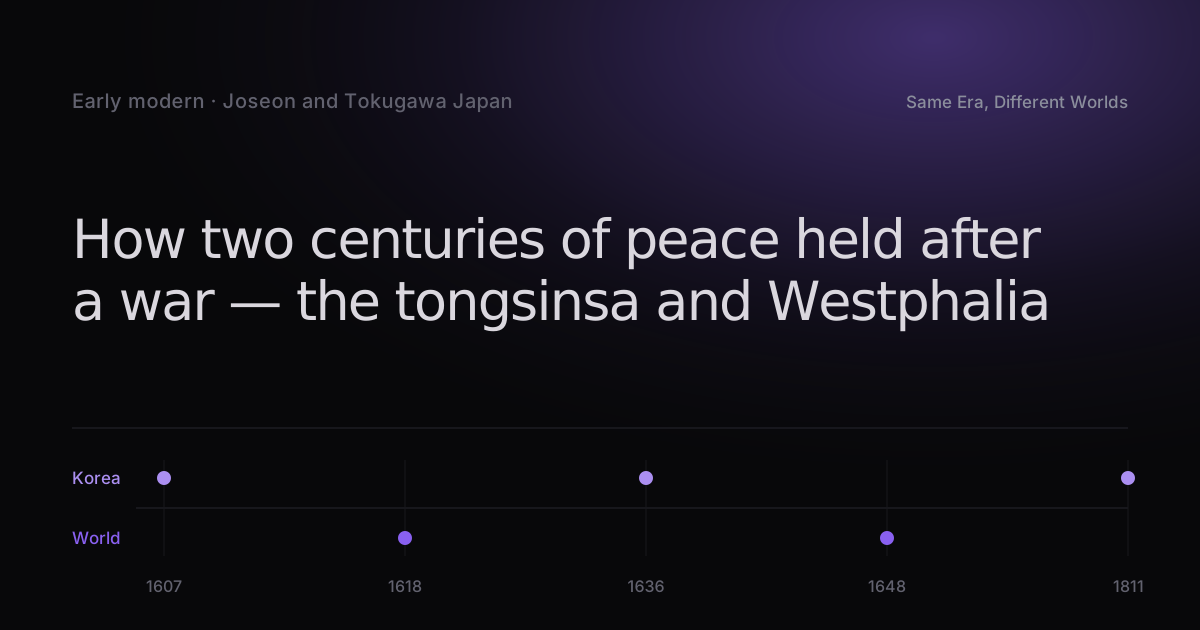 Early modern · Joseon and Tokugawa Japan
How two centuries of peace held after a war — the tongsinsa and Westphalia
The Joseon missions to Edo, resumed just after the Imjin War, set beside the Westphalian settlement after the Thirty Years’ War: what actually keeps the peace after a great war.
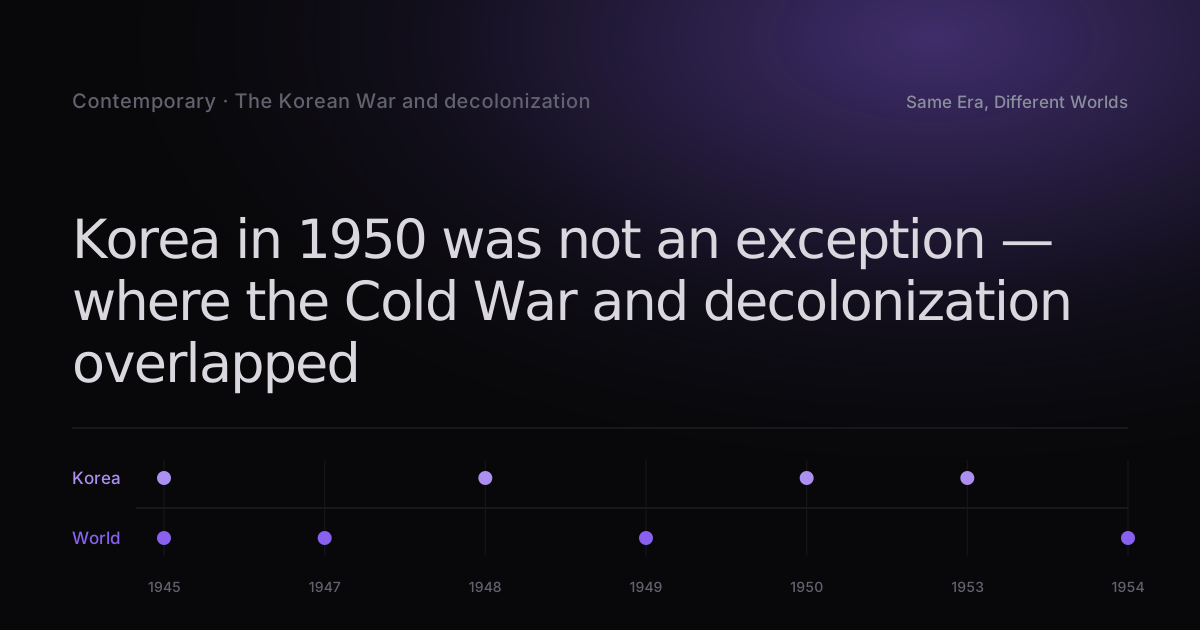 Contemporary · The Korean War and decolonization
Korea in 1950 was not an exception — where the Cold War and decolonization overlapped
The Korean War read as a Cold War proxy conflict and as a war of decolonization — set beside the partition of India, Indochina and Indonesia, division turns out not to be a uniquely Korean event.
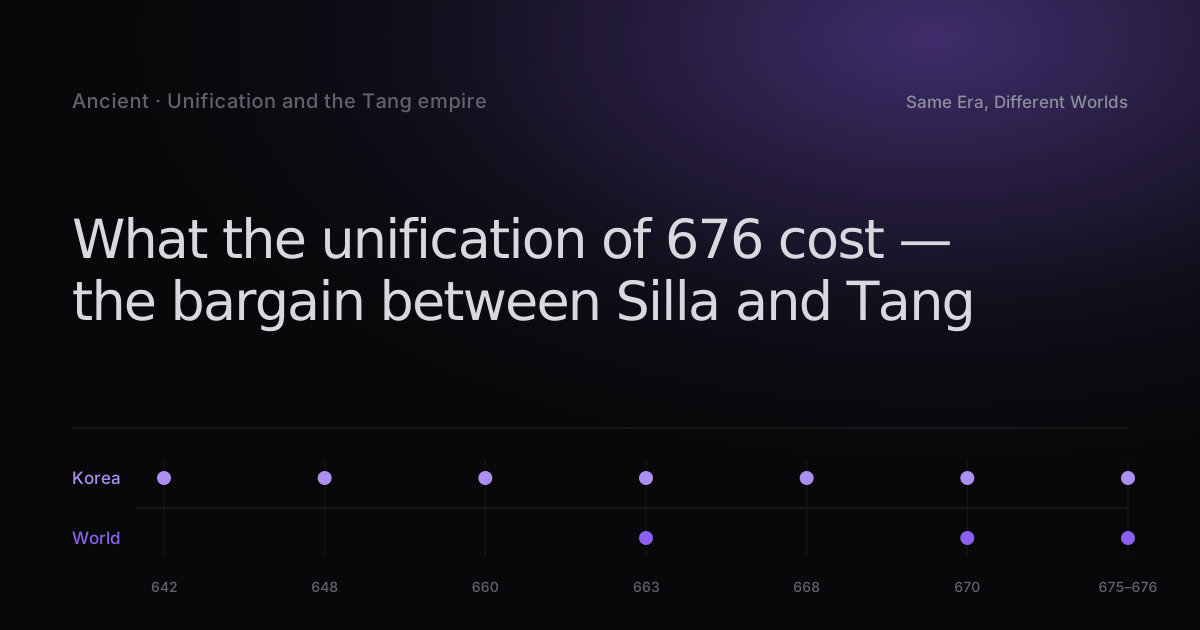 Ancient · Unification and the Tang empire
What the unification of 676 cost — the bargain between Silla and Tang
Silla’s unification read as an entry into the Tang world order — and the Silla–Tang War as a renegotiation of its terms, made possible by a war on Tang’s Tibetan frontier.
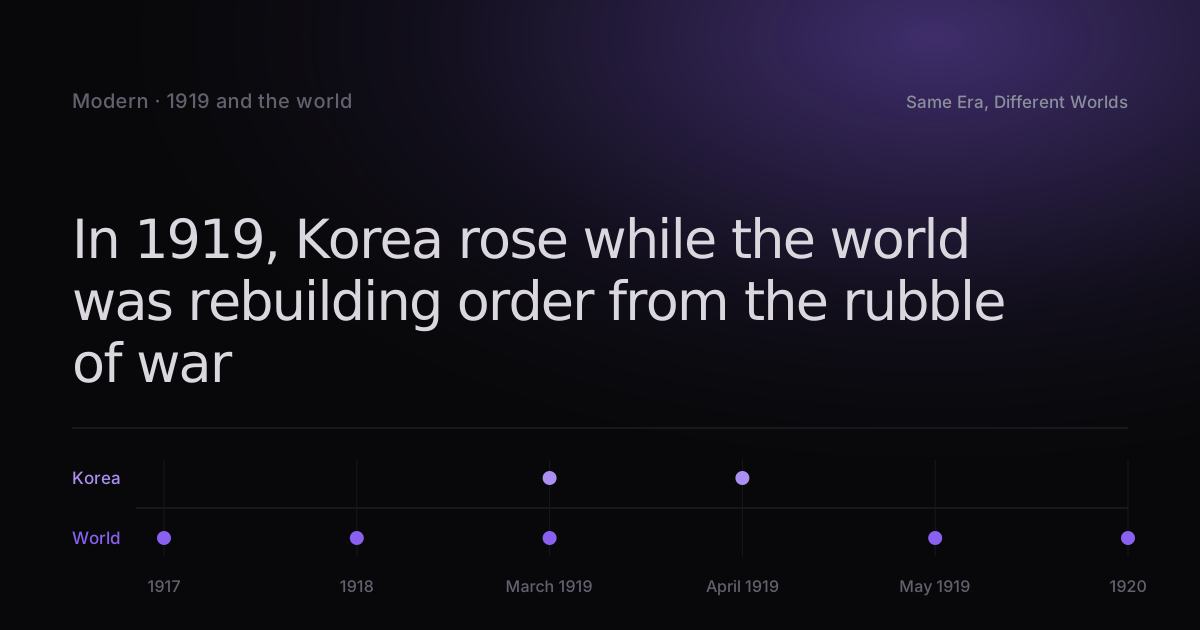 Modern · 1919 and the world
In 1919, Korea rose while the world was rebuilding order from the rubble of war
The March First Movement and the Korean Provisional Government of 1919, read alongside the end of World War I, the Paris Peace Conference, and national self-determination.
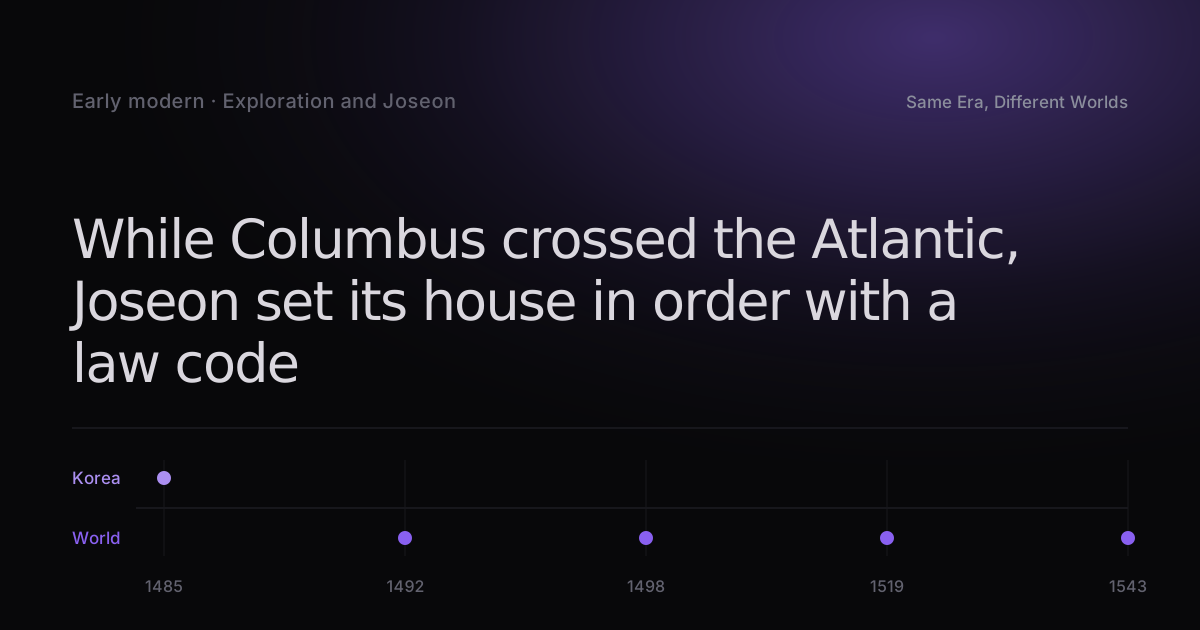 Early modern · Exploration and Joseon
While Columbus crossed the Atlantic, Joseon set its house in order with a law code
Columbus's voyage of 1492 and the completion of Joseon's Gyeongguk daejeon in 1485 — expansion and consolidation, two answers to the demands of the same century.
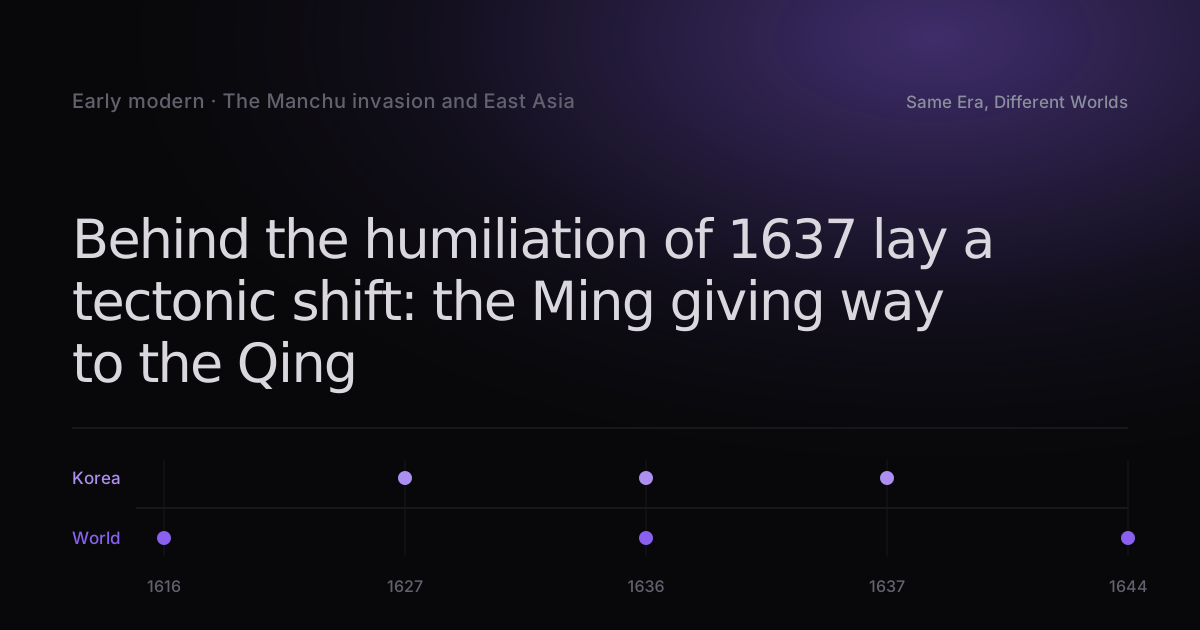 Early modern · The Manchu invasion and East Asia
Behind the humiliation of 1637 lay a tectonic shift: the Ming giving way to the Qing
The Manchu invasion of Joseon in 1636 and the surrender at Samjeondo, read within the larger remaking of the East Asian order as the Ming fell and the Qing rose.
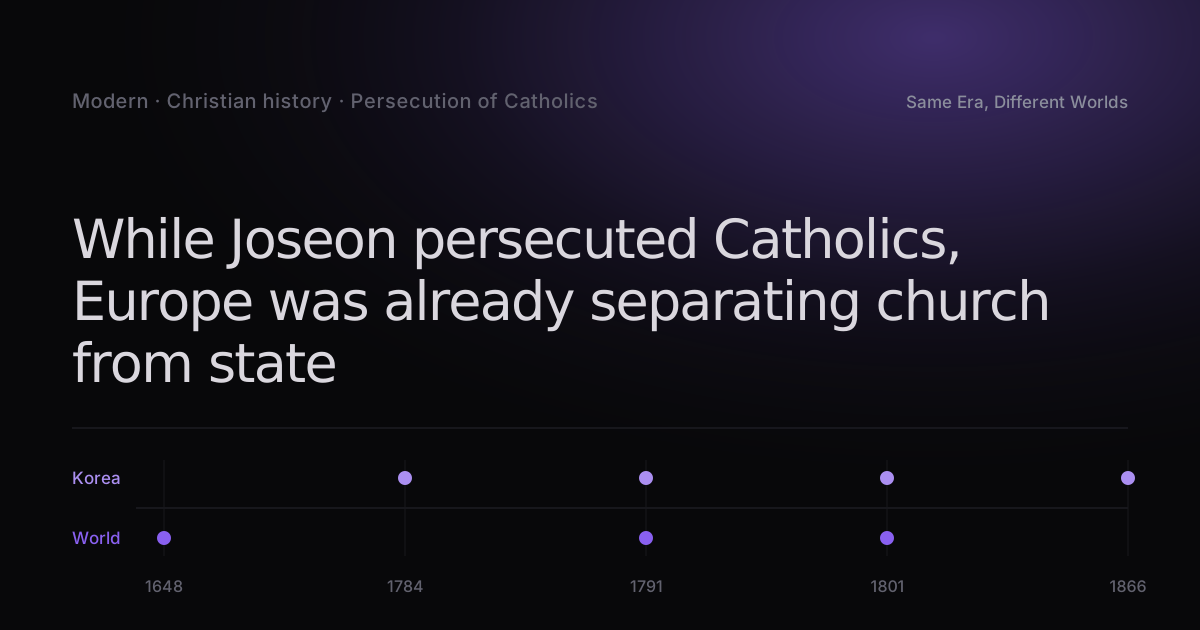 Modern · Christian history · Persecution of Catholics
While Joseon persecuted Catholics, Europe was already separating church from state
The Korean persecutions of 1801 and 1866 set beside the French Revolution, the Napoleonic Code, and Europe's move toward the separation of church and state.
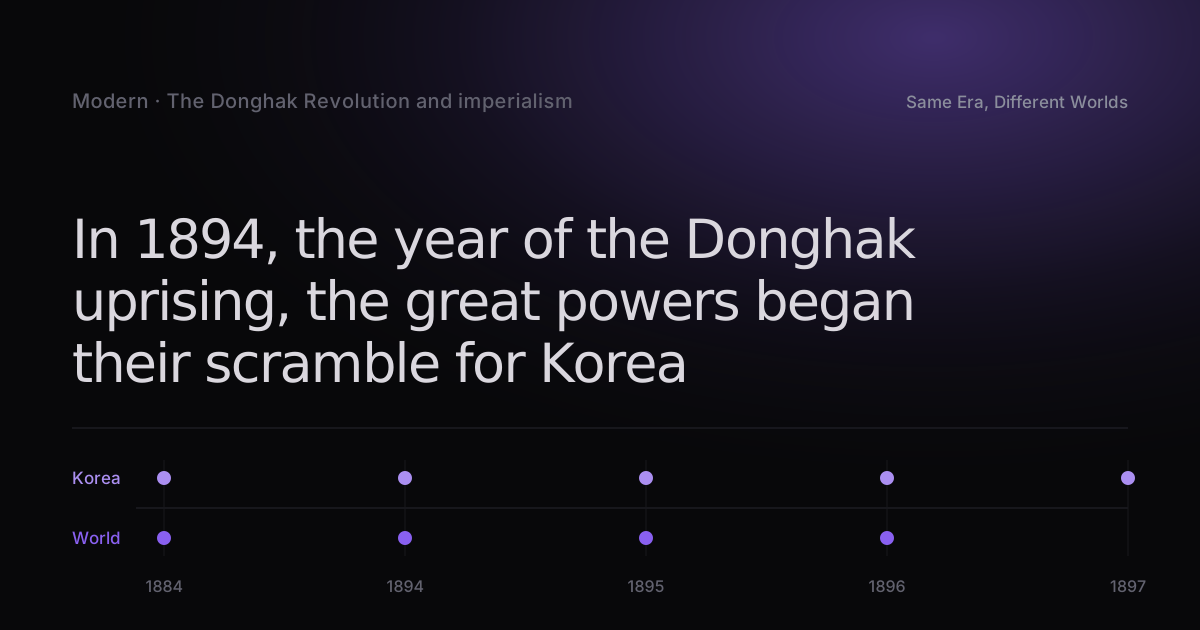 Modern · The Donghak Revolution and imperialism
In 1894, the year of the Donghak uprising, the great powers began their scramble for Korea
The Donghak Peasant Revolution and the Gabo Reforms of 1894, read against the First Sino-Japanese War and the wider age of imperialism in East Asia.
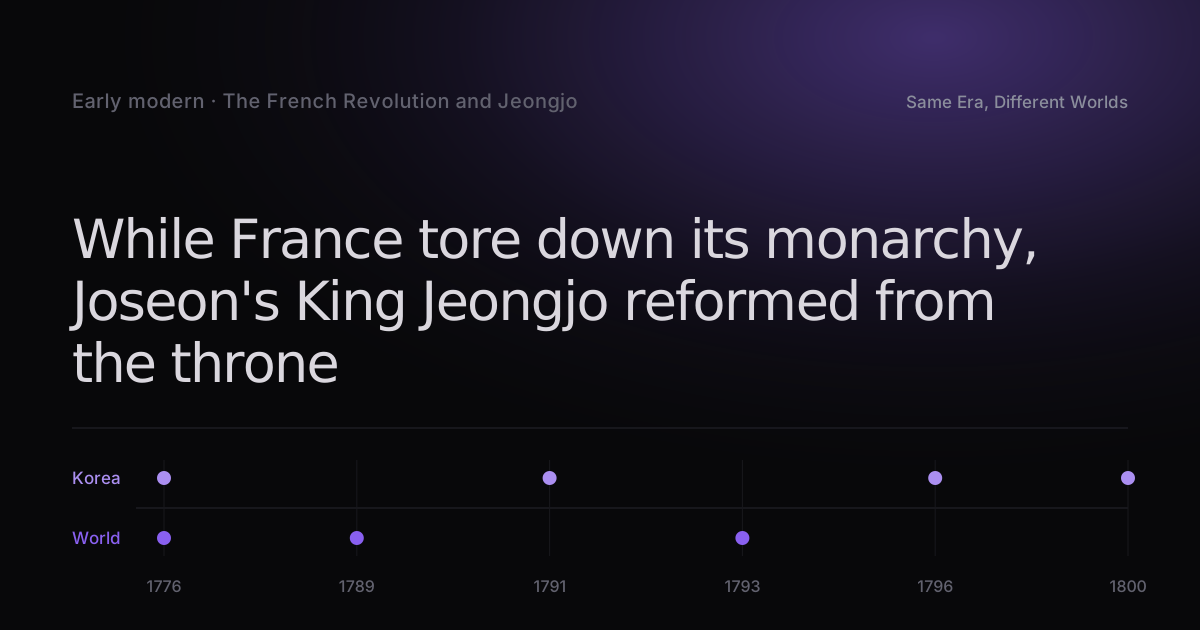 Early modern · The French Revolution and Jeongjo
While France tore down its monarchy, Joseon's King Jeongjo reformed from the throne
The French Revolution of 1789 and King Jeongjo's accession in 1776 — revolution from below and reform from above, two answers to the failures of an old order.
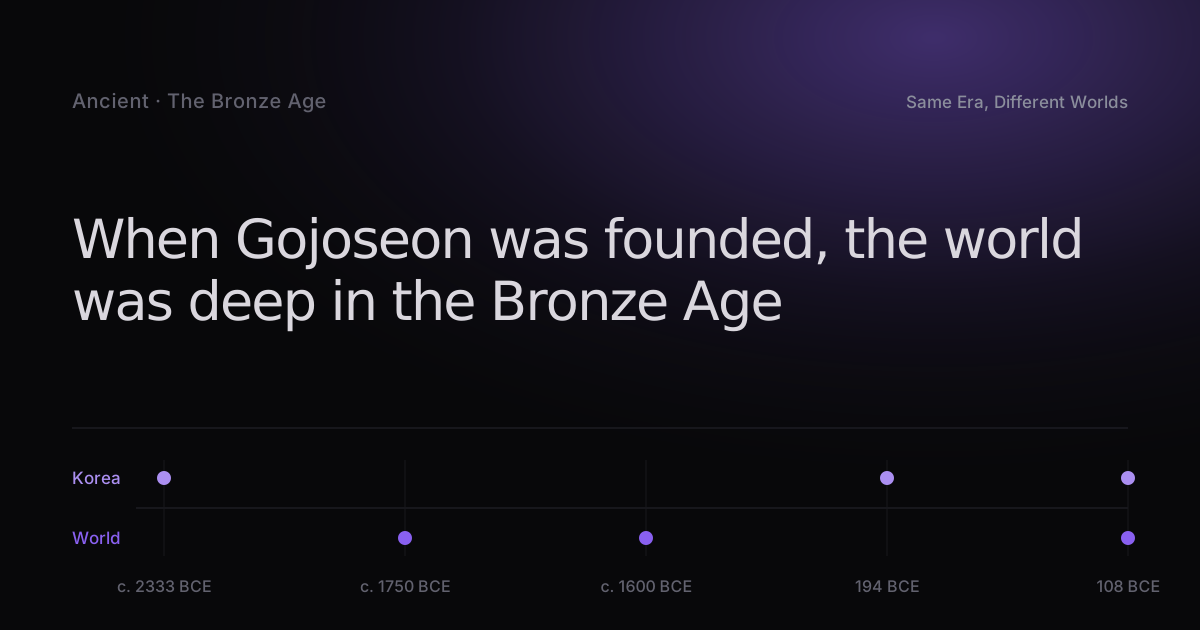 Ancient · The Bronze Age
When Gojoseon was founded, the world was deep in the Bronze Age
The founding of Gojoseon in 2333 BCE set beside Egyptian civilization, the Code of Hammurabi, and the other Bronze Age civilizations of the world.
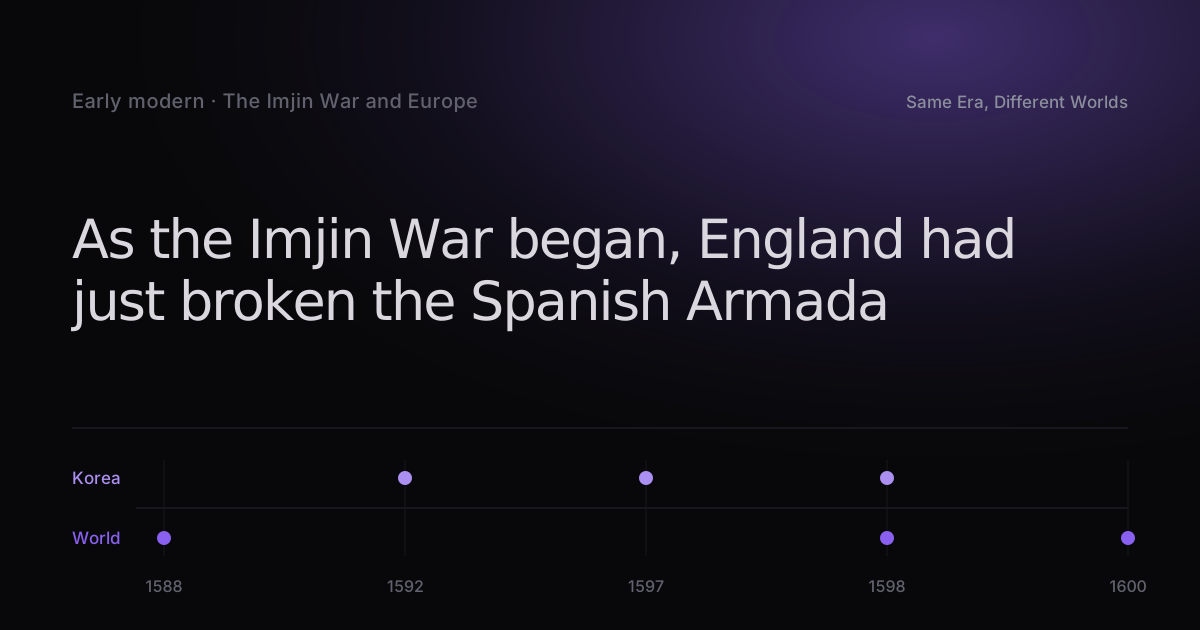 Early modern · The Imjin War and Europe
As the Imjin War began, England had just broken the Spanish Armada
Toyotomi's unification of Japan, the defeat of the Spanish Armada, and the Edict of Nantes — the Imjin War of 1592-1598 read within the wider 16th-century world.
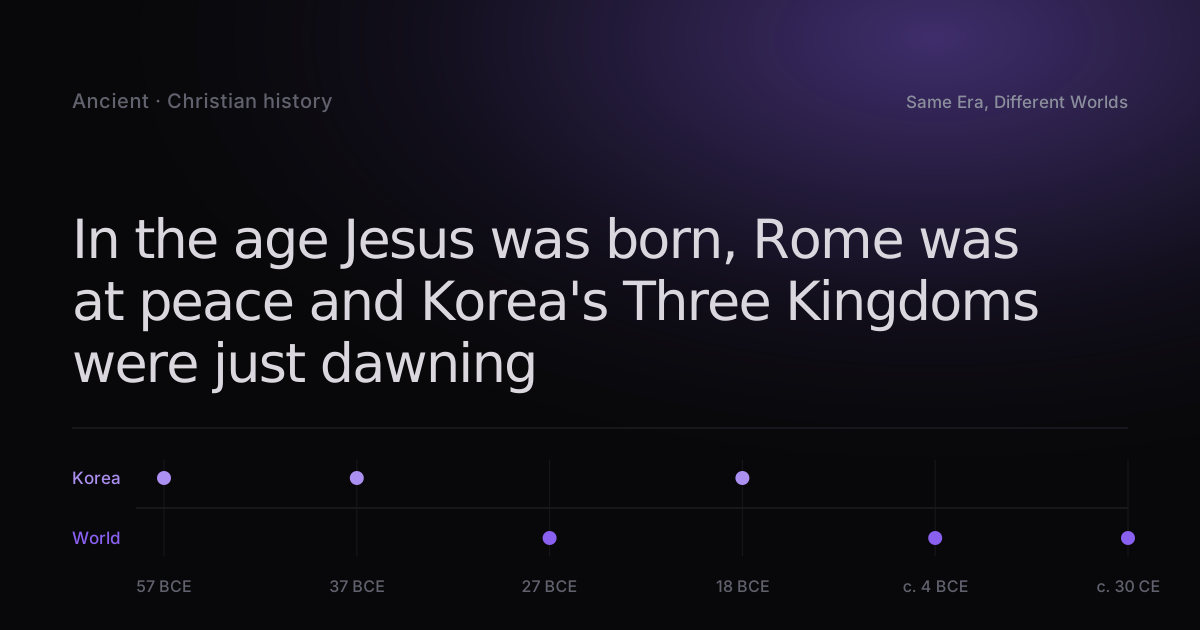 Ancient · Christian history
In the age Jesus was born, Rome was at peace and Korea's Three Kingdoms were just dawning
The Pax Romana at the time of Jesus' birth, set beside the newly founded kingdoms of the Korean peninsula, and why the faith took so long to reach East Asia.
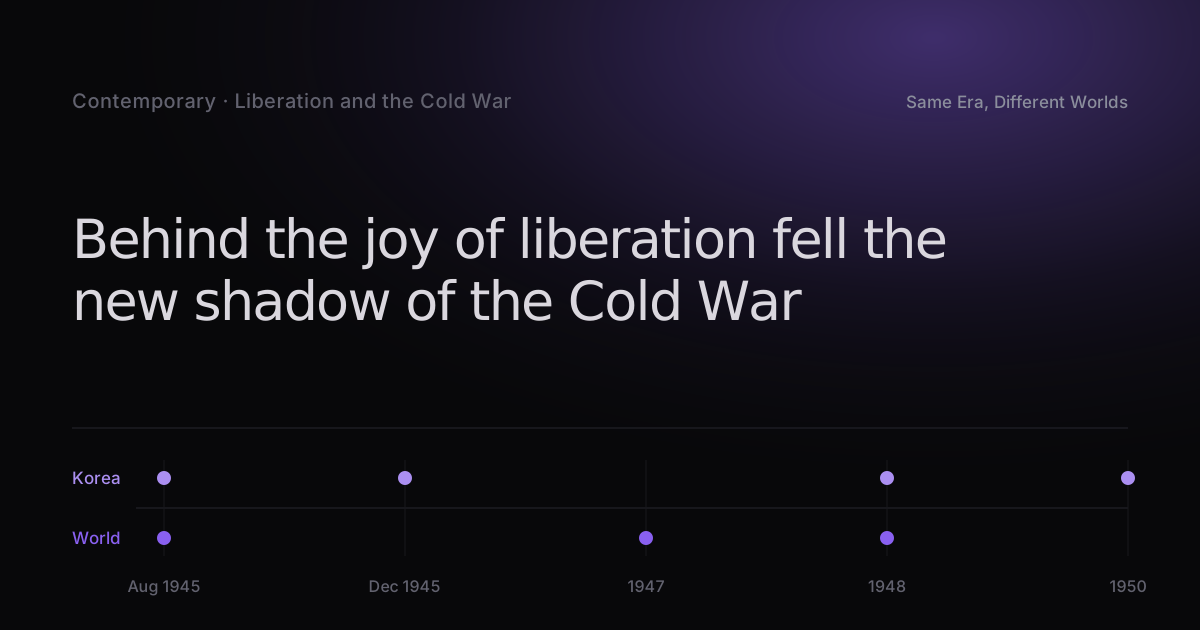 Contemporary · Liberation and the Cold War
Behind the joy of liberation fell the new shadow of the Cold War
Korea's liberation on August 15, 1945, read in the context of the end of World War II, the division at the 38th parallel, and the beginning of the Cold War.
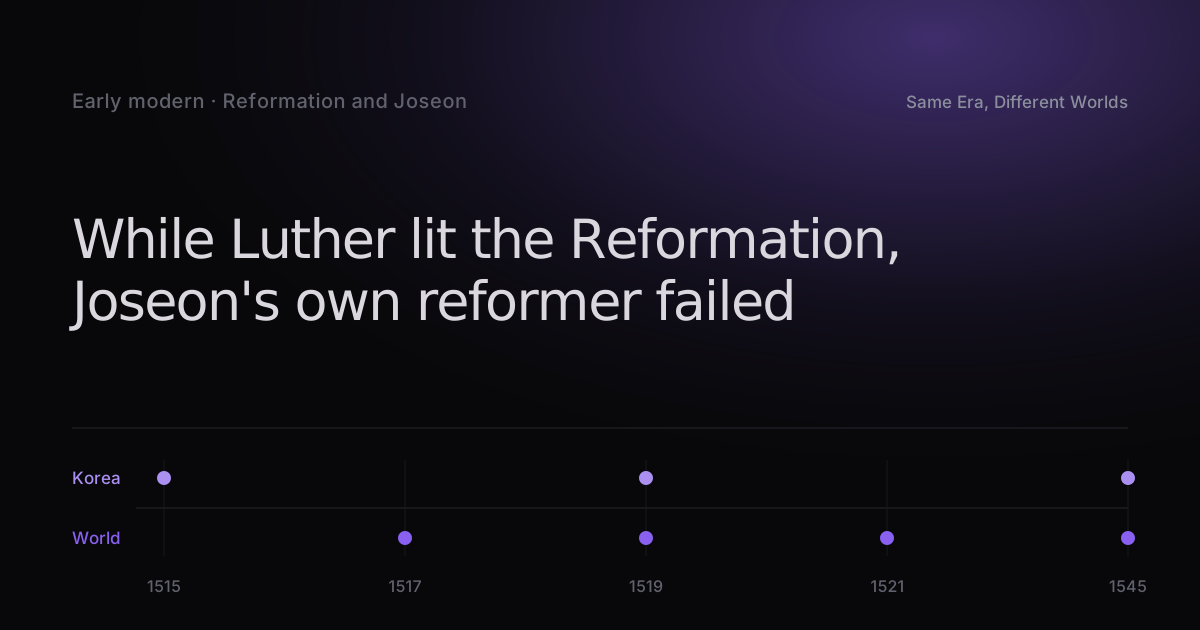 Early modern · Reformation and Joseon
While Luther lit the Reformation, Joseon's own reformer failed
Luther's Ninety-five Theses of 1517 and the purge of Jo Gwang-jo in 1519 — two reforms begun in the same years, and why only one of them changed its world.
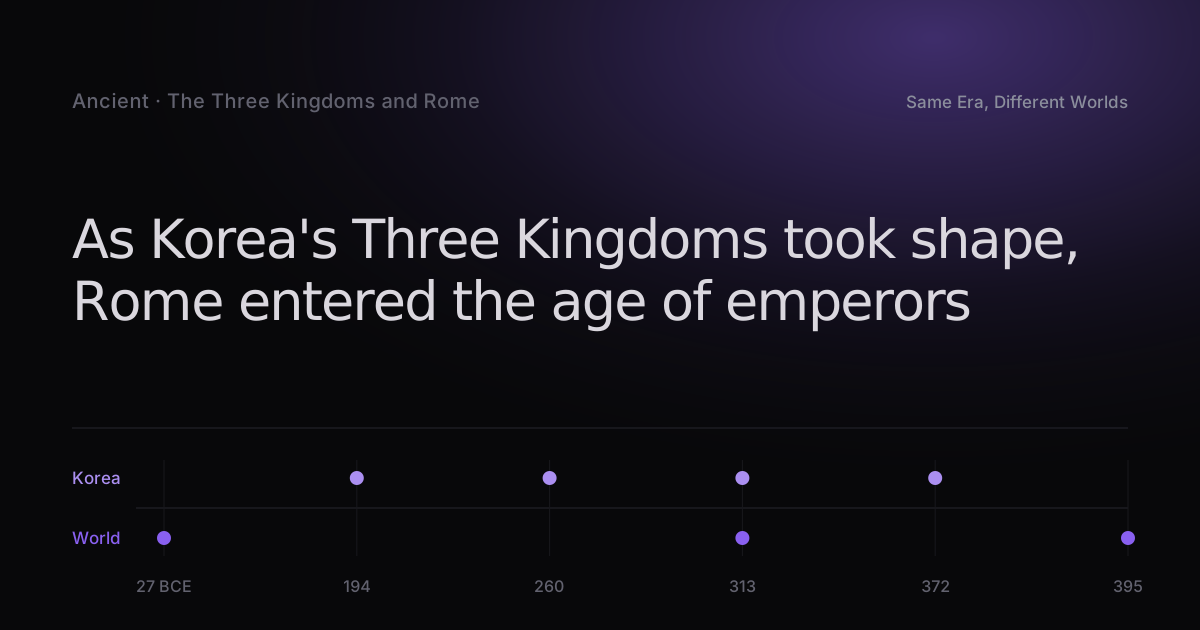 Ancient · The Three Kingdoms and Rome
As Korea's Three Kingdoms took shape, Rome entered the age of emperors
Between 57 BCE and 18 BCE three kingdoms were born on the Korean peninsula while in Rome one man became emperor. A comparison of the Three Kingdoms and the Roman Empire.